Project

Biotechnology netherlands

Tropical Oils

The Problem: Tropical oils (palm, palm kernel, and coconut) have a negative environmental impact (namely: deforestation). Europe is completely dependent on import. These oils give unique functionalities to food and personal care products (crystallization, melting, mouth feel), because of the medium-chain fatty acids (C8-C14) for which there are no vegetable-oil alternatives. The Netherlands is the largest importer of tropical oils in Europe. Europe wants to completely stop deforestation due to tropical oil production .

Our solution: Nannochloropsis is a microalga containing up to 50% oils at superior productivities. Using our patent-pending gene-expression system, we wil engineer this microalga to produce oils with the same functionality as tropical oils.

Impact: Our techno-economic studies showed competitive production costs from 10 ha. With our technology tropical oils can be produced in Europe as a sustainable alternative to production in tropical zones (SDG1, 8, 9, 12, 13, 15).

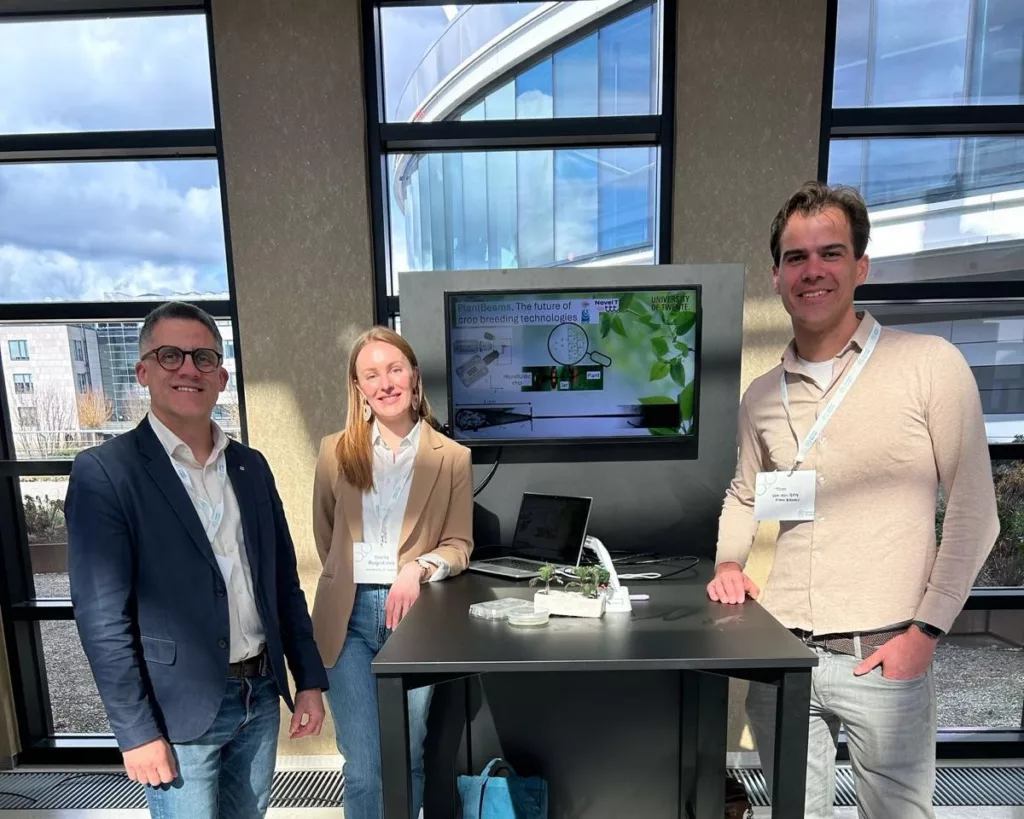
Project team

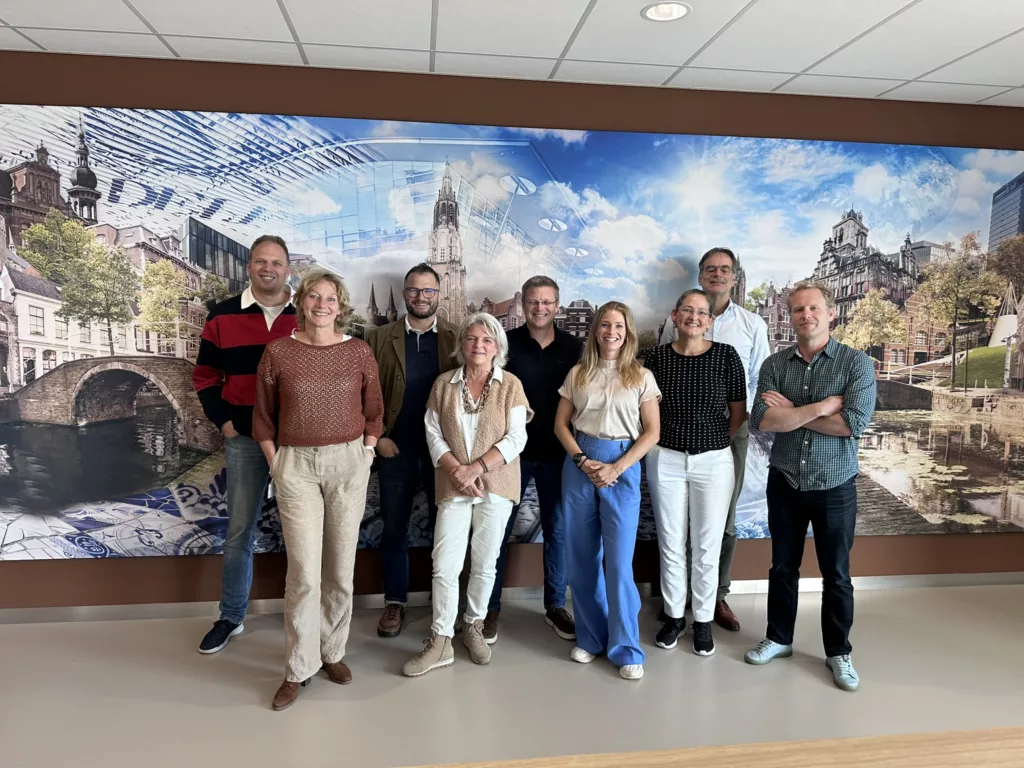
-Prof. dr. Rene Wijffels, Project coordinator; – Prof.dr. Maria Barbosa, Process development and pilot plant production; – Dr.Judit Hunyadkurti, Business developer ALgaePARC; – Dr. Iago Dominguez Teles, Research Manager; – Dr. Sarah D’Adamo, genetic engineering microalgae; – Dr. Marcel Janssen,Pilot-scale process development; – Dr. Antoinette Kazbar, Oil extraction with green solvents; – Dr. Iulian Boboescu, Cell disruption via external fields

Project Number

BIOB25008

Year granted

2025

Status

Ongoing

Applicant

Wageningen University & Research

Funding

€ 186781

Sector/Industry

Food & Beverages

SDG's

Zero hunger (SDG 2)
Decent work and economic growth (SDG 8)
Responsible consumption and production (SDG 12)
Climate action (SDG 13)
Life on land (SDG 15)

Thematic Cluster

TC2: Agriculture & Food

Level

Level 1
Molecuul

2025

Year granted

Wageningen University & Research

Applicant

€ 186781

Project funded
Project story

Plant Beams: breaking through the plant barrier

The question that started Plant Beams For over ten years, David Fernández Rivas has worked on a technology that uses

Plant Beams: breaking through the plant barrier
Project story

SideroFORCE: Tricking bacteria to heal infection

We interviewed Wim Velema, projectleader of Biotech Booster project SideroFORCE, which joined our program in 2025. At sixteen, Wim liked

SideroFORCE: Tricking bacteria to heal infection
IBB

Behind the Bootcamp: Meet the IBB26 Coaches

Building an industrial biotech venture takes more than a great scientific idea. It requires the ability to challenge assumptions, make

Behind the Bootcamp: Meet the IBB26 Coaches
Project story

From Luggage Tags to Better Food

From fragmented DNA to better food on our plates. We interviewed Biotech Booster project Haplotagging to learn more about their

From Luggage Tags to Better Food
Impact developer portrait

The Innovation Journey at the Universities of Applied Sciences

Impact Developers help researchers turn their ideas into innovations that impact society. They connect researchers with companies and other partners

The Innovation Journey at the Universities of Applied Sciences
Alumni Column

Alumni column: Patrick Dekker from iProtics

On both sides of the table. Some people know Biotech Booster from the outside. Others experience it from the inside,

Alumni column: Patrick Dekker from iProtics
Citaat

Biotech Booster helps us through funding and by providing us with a network to validate where we can make the best impact with our new analysis device.

Biotechnology netherlands

Carlos de Lannoy

Constellate

Citaat

What we look forward to most is leveraging the extraordinary network of Biotech Booster that we need to get foot in the market, get know-how, and understanding the competitive field which is necessary for setting up successful operations.

Biotechnology netherlands

Pim Schaasberg & Martin Pabst

ProteoT

Moleculen

Newsletter

Receive monthly updates about our community!

Subscribe to our newsletter