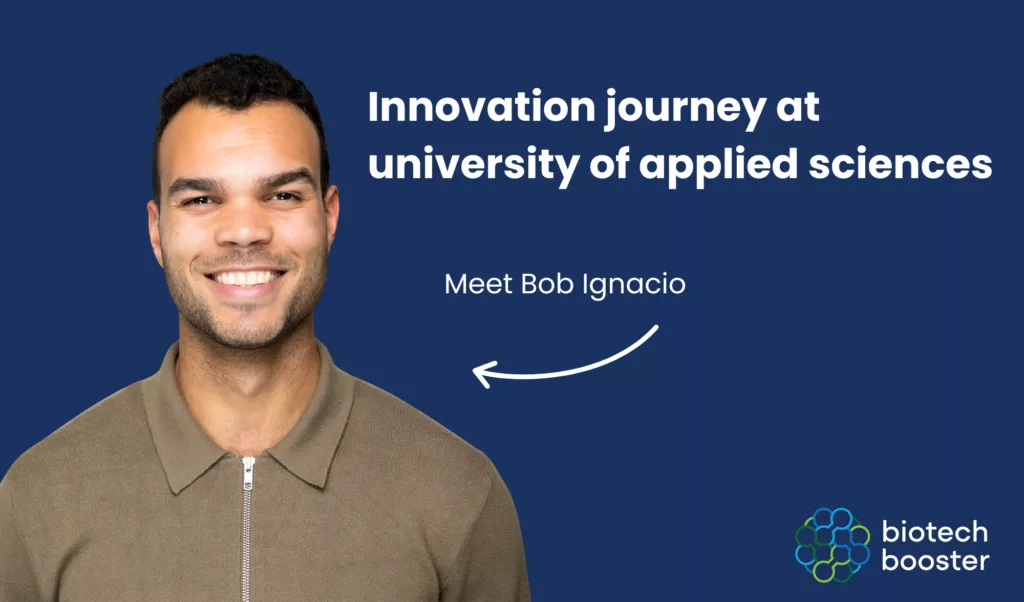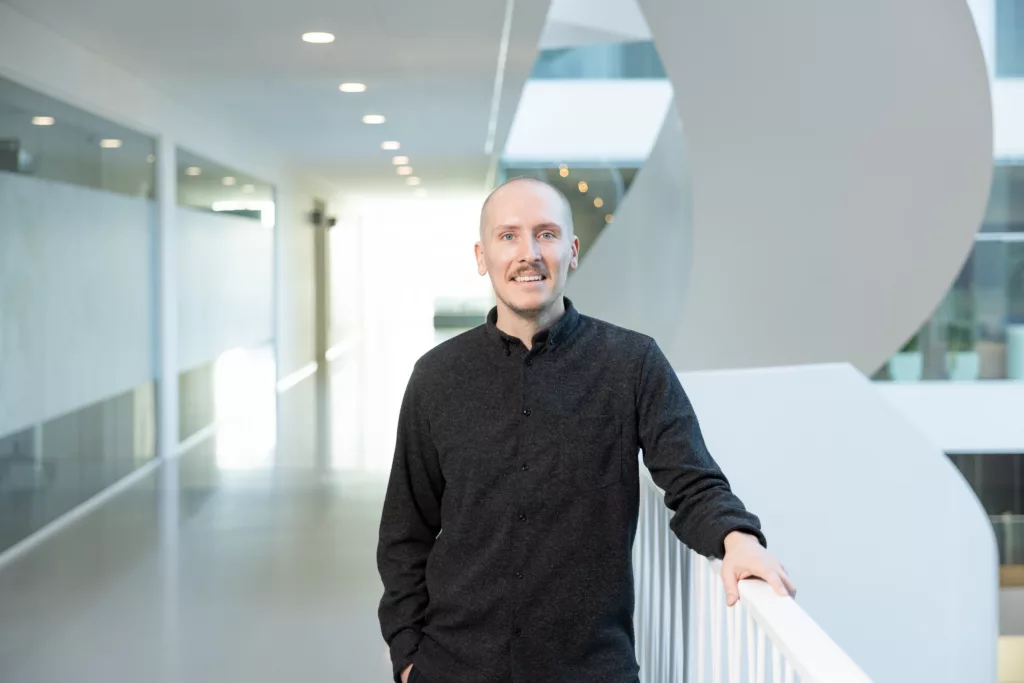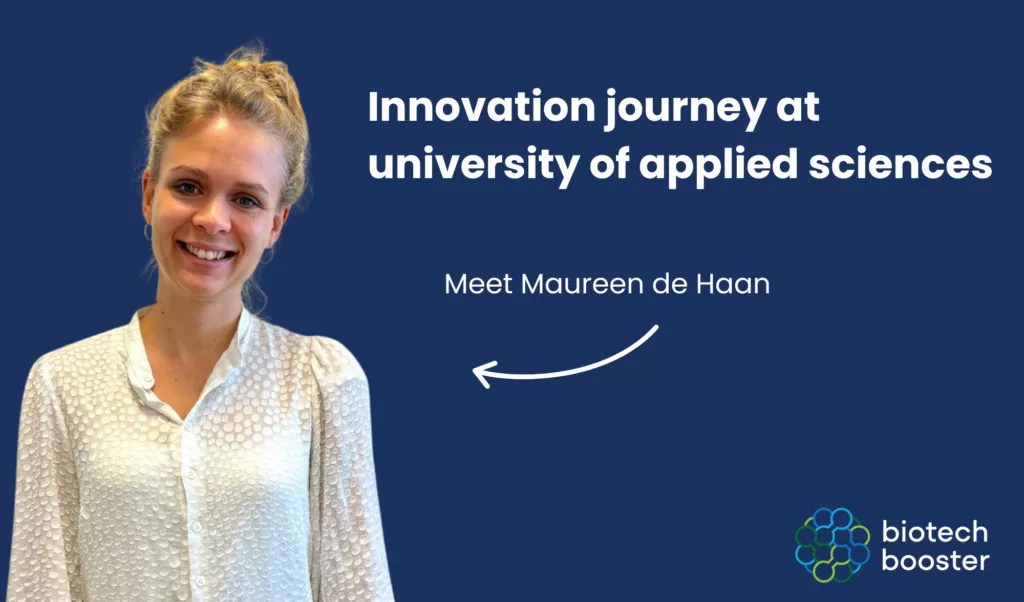

Building an industrial biotech venture takes more than a great scientific idea. It requires the ability to challenge assumptions, make strategic choices, build the right team and turn uncertainty into action. Meet the coaches supporting the nine IBB26 teams along the way.
For early-stage biotech entrepreneurs, the path from scientific potential to a viable venture is rarely straightforward. There are technical questions to answer, assumptions to test, strategic choices to make and, often, more questions than answers.
That is why coaching is an integral part of the Industrial Biotech Bootcamp 2026. Each of the nine participating teams is paired with a coach who brings their own experience, expertise and perspective to the table.
Alongside the four IBB26 module leads, five additional coaches work closely with the teams throughout the programme, challenging their thinking, sharing lessons from their own careers and helping them navigate the questions that come with building an industrial biotech venture.
Their experiences span biotechnology, entrepreneurship, research, venture building and investment. While their perspectives differ, their advice shares a common thread: look beyond the technology and understand what it takes to build a business that works in the real world.
Start with the customer, not the technology
For early-stage biotech entrepreneurs, one of the biggest challenges is translating scientific potential into something the market actually needs. Oscar Goddijn, who began his career at biotech startup Mogen International, has seen what happens when customer conversations start too late: founders risk developing an innovation that doesn’t solve a real customer problem.
Cindy Gerhardt, founder and managing director of Planet B.io, and Maria Cuellar Soares, a bioprocess technologist with experience across industry, academia, startups and consultancy, both emphasise the importance of starting with the end in mind. Understand what customers need, then work backwards to determine what the technology must deliver.
As Maria puts it, “Biotech comes with loads of beautiful science, but not all of it finds its application as a business.”
Nettie Buitelaar, CEO of Biotech Booster, agrees that customer conversations should start early. In industrial biotech, the road to market is not always clearly defined, making it particularly important to learn from potential customers and remain open to changing direction.
Challenge your assumptions, especially the expensive ones
Understanding customers is just the beginning. Founders also need to question the assumptions underpinning their business model. Will production costs decrease as the process scales? Will customers pay more for a sustainable alternative? Will an industrial customer change an established production process to adopt a new solution?
Cindy warns founders against assuming that scaling up will automatically make a process cheaper. Even if a new technology offers sustainability benefits or lower costs, convincing an industrial customer to change an established process can be difficult. In food applications, she adds, taste can also make or break a product.
Wietse van Tilburg, a venture builder at Value Factory, brings the perspective of an investor and operator. His experience spans engineering, agronomy, plantation operations, equity investing and supporting startups in foodtech, agri and climate.
One assumption he particularly challenges is that customers will automatically pay a premium for sustainable or bio-based products. “Most buyers in industrial markets compare price and spec, and an investor will ask whether your business still works without a green premium,” Wietse explains.
He learned the importance of getting the numbers right from experience. While working in Mozambique, his team planted more than 1,000 hectares before completing the financial calculations. The agronomy worked, but the economics did not. His takeaway is simple: “Run your numbers early and honestly, before someone else does it for you.”
Turn ambition into concrete next steps
Industrial biotech ventures often have ambitious goals, from replacing petrochemical processes to bringing new biological solutions to industrial scale. But reaching those goals can take years and require several stages of development.
Wietse sees a recurring challenge among founders: they can describe their end goal but struggle to identify the next three steps needed to get there. His recommendation is to break the journey into clear milestones, using each step to test assumptions and decide what to do next.
Maria takes a similar approach, connecting technical development to business objectives. Rather than treating R&D as a journey in itself, she helps founders identify what their technology needs to achieve to support the next stage of the business.
And then there is the challenge of prioritisation. As Oscar points out, early-stage founders have to juggle so many factors at once that it can be difficult to determine what needs to come first.
Nettie has a concise answer, drawing on her own experience of running a biotech company: “Focus focus focus is the most important thing.”
For founders, this means identifying the questions that matter most right now and resisting the temptation to pursue every opportunity at once.
Don’t try to figure it all out alone
Building a biotech company can be an isolating experience, particularly when founders are navigating unfamiliar commercial territory. The coaches emphasise that entrepreneurs don’t have to find every answer themselves.
With experience spanning industry, research, venture building and investment, they help founders see their ventures from different perspectives, challenge their thinking and connect with relevant people in the ecosystem.
Nettie encourages founders not to be intimidated by approaching people with more experience. “Most people are happy to help, especially in biotech!”
Maria also sees great value in exchanging ideas with others. Every innovation is unique, but founders can build on the knowledge and experience already present in the biotech ecosystem.
For Oscar, these conversations should be open, honest and constructive, and enjoyable, too. Ultimately, coaching isn’t about handing founders a ready-made solution. It’s about asking the right questions, helping them recognise blind spots and giving them the tools to make better decisions.
From scientific potential to business reality
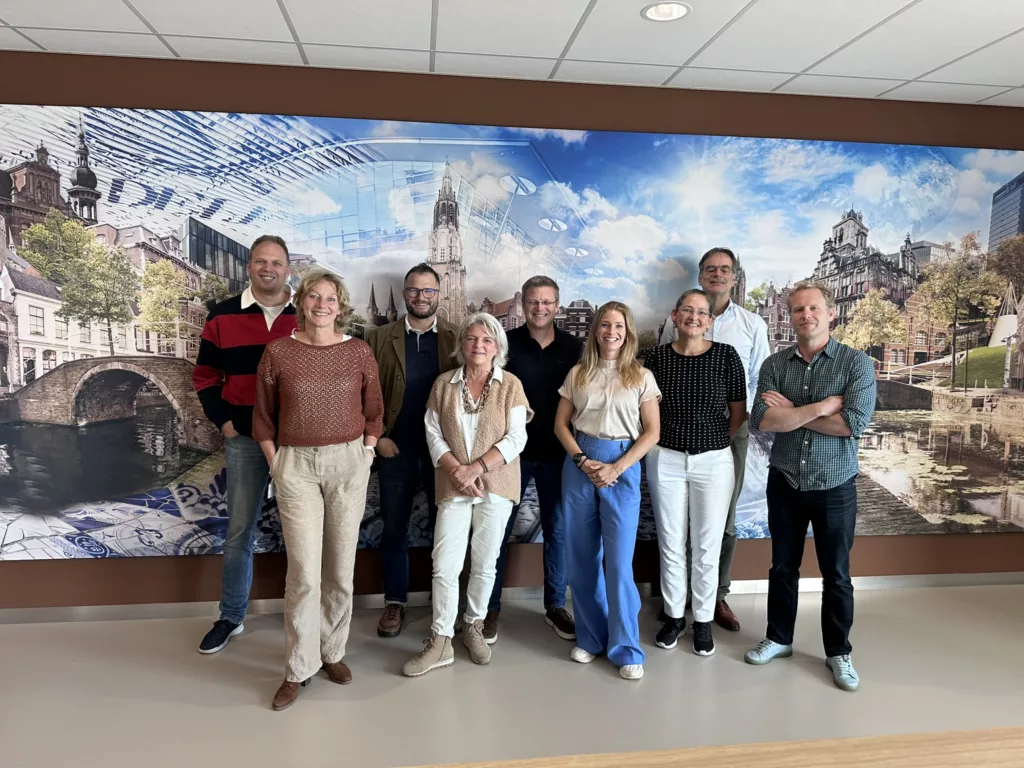
The nine IBB26 coaches and module leads — Caroline Wilschut, Koen Clymans, Pete Rowe, Tijl Hoefnagels, Oscar Goddijn, Cindy Gerhardt, Nettie Buitelaar, Maria Cuellar Soares and Wietse van Tilburg — bring different experiences and perspectives to the programme. But their messages reinforce one another: talk to customers early, test your assumptions, understand the economics before scaling and make use of the expertise around you.
For the nine teams, these lessons are part of the journey towards building stronger ventures and preparing for what comes next.
The next milestone is YIELD, the finale of the Industrial Biotech Bootcamp, on Friday 13 November 2026 at Biotech Campus Delft. The teams will pitch their ventures at an event bringing together startups, scaleups, investors and other players in the industrial biotech ecosystem.
Because a promising technology is a starting point. Building a business that can bring it to market is the real challenge.
Discover YIELD and register here.