Project

Ninetac

Colorectal cancer (CRC) is a common and often deadly disease. Every year 1.9 Mio. cases and over 900 000 deaths are registered globally. While surgery remains the primary treatment option, radiotherapy and chemotherapy are frequently necessary but come with significant drawbacks. These systemic treatments are toxic to all cells alike, leading to severe side effects and limited efficacy. Consequently, more targeted therapies have been explored, so far with limited success. Our research team has made significant progress in this pursuit. We have developed two families of peptide-derived agents that target a key driver of CRC: the hyperactivated Wnt signaling pathway. This pathway is upregulated in 80% of CRC cases, making cancer cells more vulnerable to its inhibition. Our innovative agents inhibit the interaction between the oncogene β-catenin and an Wnt-associated transcription factor. This prevents the transcription of Wnt target genes and possibly decreases the viability of CRC cells. Most notably, our agents have been shown to inhibit Wnt signaling in cellular reporter assays, making them an ideal foundation for the development of therapeutics targeting Wnt-dependent cancers. We are now seeking to further improve our agents and validate them in mouse models. These results will help us find funders/collaborators to further pursue the development of a novel CRC therapeutic in a university spin-off.

Project team

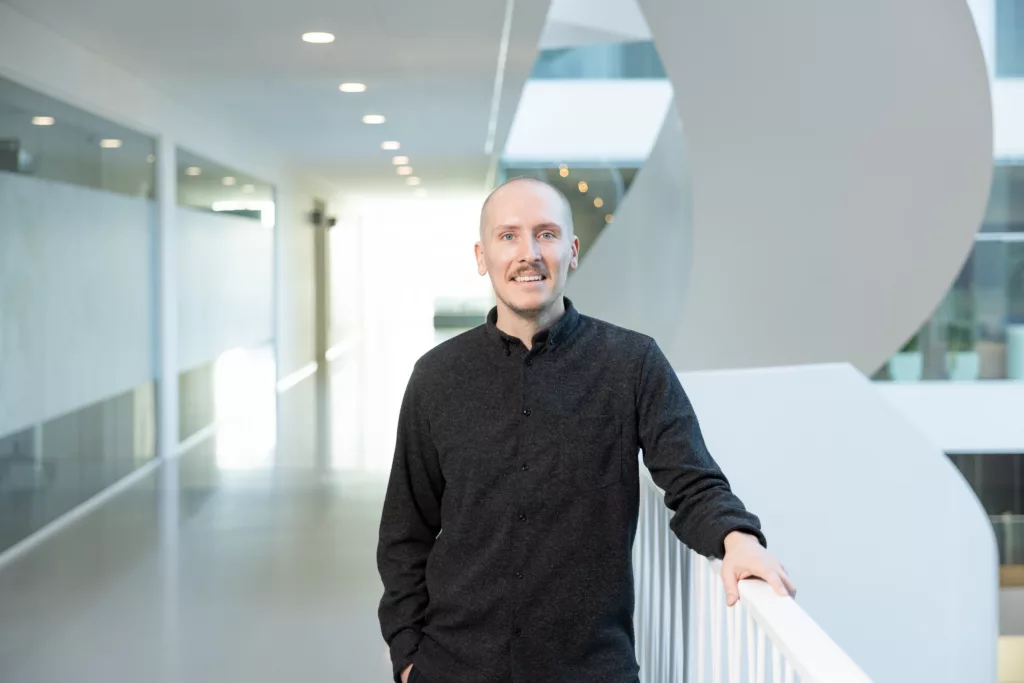
Felix Paulußen

Project Number

BIOB24029

Year granted

2024

Status

Ongoing

Applicant

Vrije Universiteit Amsterdam

Funding

€ 200.000

Sector/Industry

Health & Pharma

SDG's

Good health and well-being (SDG 3)

Thematic Cluster

TC3: ATMPs, Biopharmaceuticals & Associated Enabling Technologies

Level

Level 1
Molecuul

2024

Year granted

Vrije Universiteit Amsterdam

Applicant

€ 200.000

Project funded
Project story

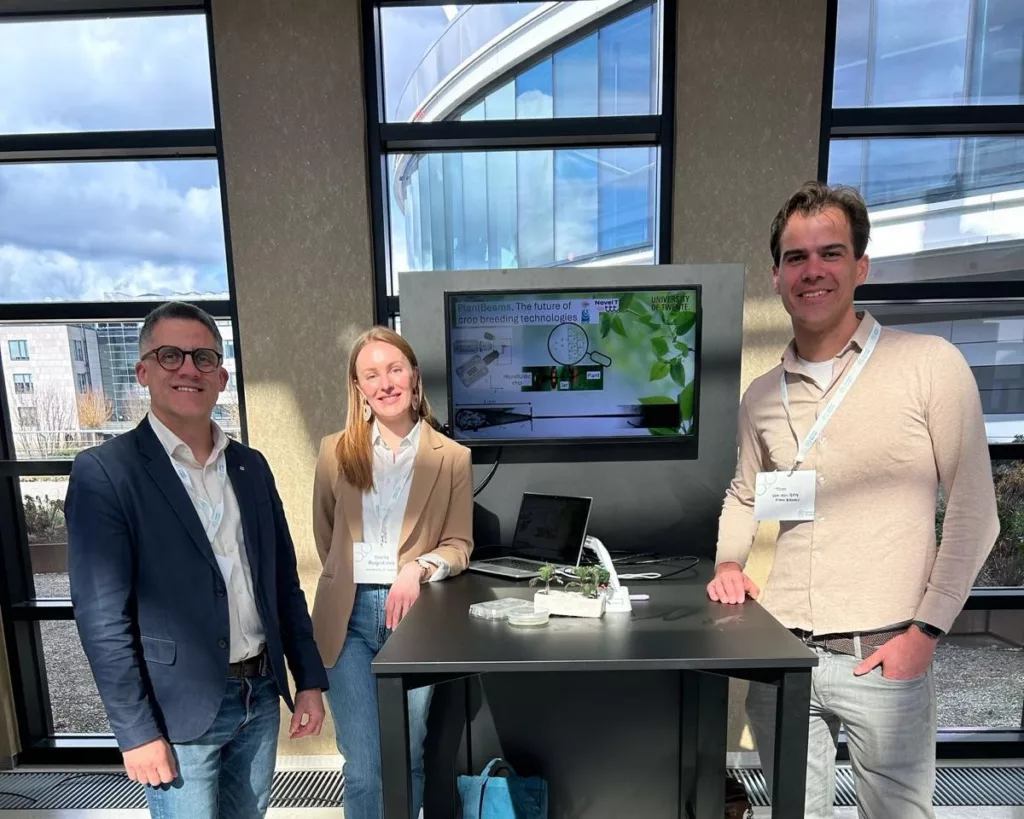
Plant Beams: breaking through the plant barrier

The question that started Plant Beams For over ten years, David Fernández Rivas has worked on a technology that uses

Plant Beams: breaking through the plant barrier
Project story

SideroFORCE: Tricking bacteria to heal infection

We interviewed Wim Velema, projectleader of Biotech Booster project SideroFORCE, which joined our program in 2025. At sixteen, Wim liked

SideroFORCE: Tricking bacteria to heal infection
IBB

Behind the Bootcamp: Meet the IBB26 Coaches

Building an industrial biotech venture takes more than a great scientific idea. It requires the ability to challenge assumptions, make

Behind the Bootcamp: Meet the IBB26 Coaches
Project story

From Luggage Tags to Better Food

From fragmented DNA to better food on our plates. We interviewed Biotech Booster project Haplotagging to learn more about their

From Luggage Tags to Better Food
Impact developer portrait

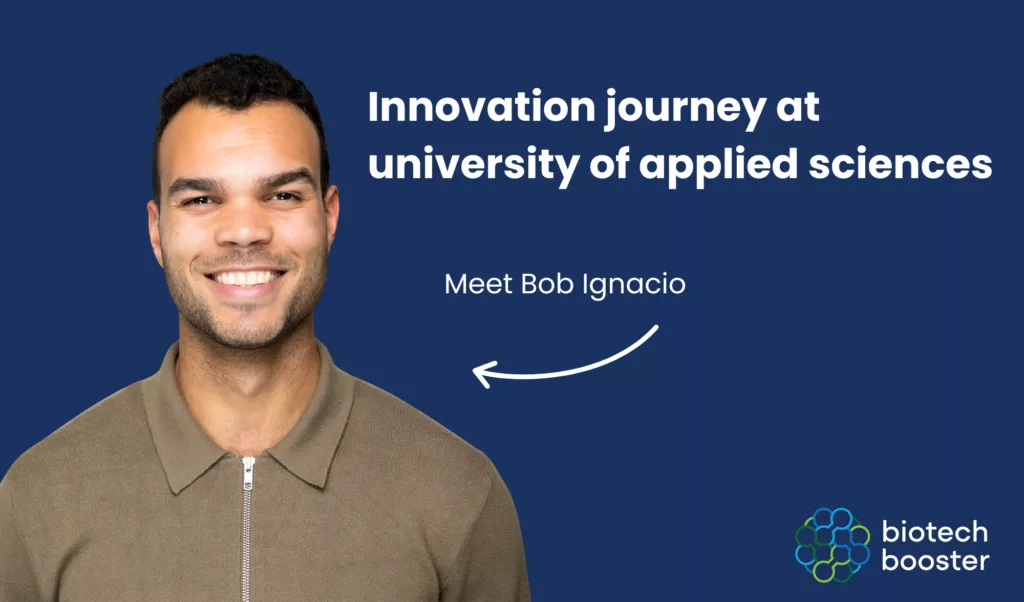
The Innovation Journey at the Universities of Applied Sciences

Impact Developers help researchers turn their ideas into innovations that impact society. They connect researchers with companies and other partners

The Innovation Journey at the Universities of Applied Sciences
Alumni Column

Alumni column: Patrick Dekker from iProtics

On both sides of the table. Some people know Biotech Booster from the outside. Others experience it from the inside,

Alumni column: Patrick Dekker from iProtics
Citaat

Biotech Booster helps us through funding and by providing us with a network to validate where we can make the best impact with our new analysis device.

Biotechnology netherlands

Carlos de Lannoy

Constellate

Citaat

What we look forward to most is leveraging the extraordinary network of Biotech Booster that we need to get foot in the market, get know-how, and understanding the competitive field which is necessary for setting up successful operations.

Biotechnology netherlands

Pim Schaasberg & Martin Pabst

ProteoT

Moleculen

Newsletter

Receive monthly updates about our community!

Subscribe to our newsletter