Project

Biotechnology netherlands

tRNA for CMT

Charcot-Marie-Tooth (CMT) disease is a common inherited condition that causes progressive muscle weakness, loss of sensation, and disability. CMT disease type 2D, one of the most severe forms of the disease, is caused by mutations that result in dysfunctional glycyl-tRNA synthetase. Millions of CMT patients worldwide currently face limited treatment options that only manage symptoms rather than addressing the underlying causes.

Our project at Radboud University aims to develop a novel gene therapy that directly targets the root cause of CMT2D. By using a specially engineered viral vector to deliver glycyl-tRNA, we seek to restore normal nerve function and improve patient outcomes. This innovative approach stands out because it not only stops the disease from worsening but also has the potential to reverse some of its debilitating effects.

Within this Level 1 project, our team will investigate the efficacy of our novel therapy in symptomatic animal models as well as determine the optimal AAV serotype for efficient tissue-specific transduction.
Ultimately, our work could reduce the long-term healthcare burden and improve independence for patients with CMT2D and related neuromuscular conditions, offering hope where current therapies fall short.

Project team

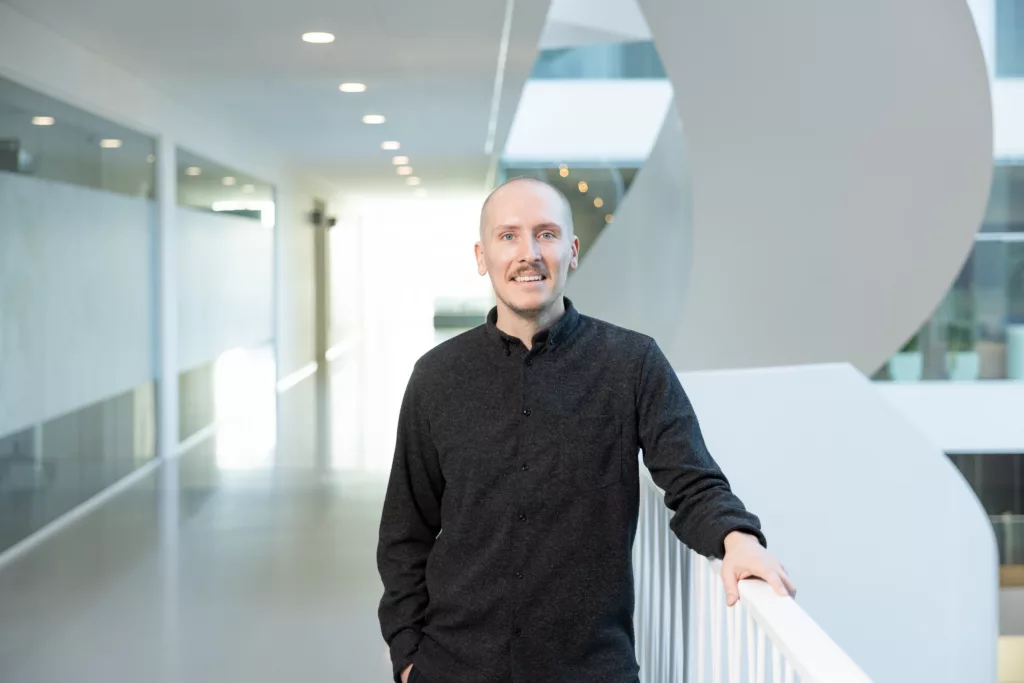
Erik Storkebaum, project leader – Maria Landinez Macias – postdoctoral scientist, Ecaterina Savenco – research assistent, Ljudmila Katchan – CEO at XtRNA Bio B.V.

Project Number

BIOB25002

Year granted

2025

Status

Ongoing

Applicant

Radboud University

Funding

€ 199.866

Sector/Industry

Health & Pharma

SDG's

Good health and well-being (SDG 3)

Thematic Cluster

TC3: ATMPs, Biopharmaceuticals & Associated Enabling Technologies

Level

Level 1
Molecuul

2025

Year granted

Radboud University

Applicant

€ 199.866

Project funded
Project story

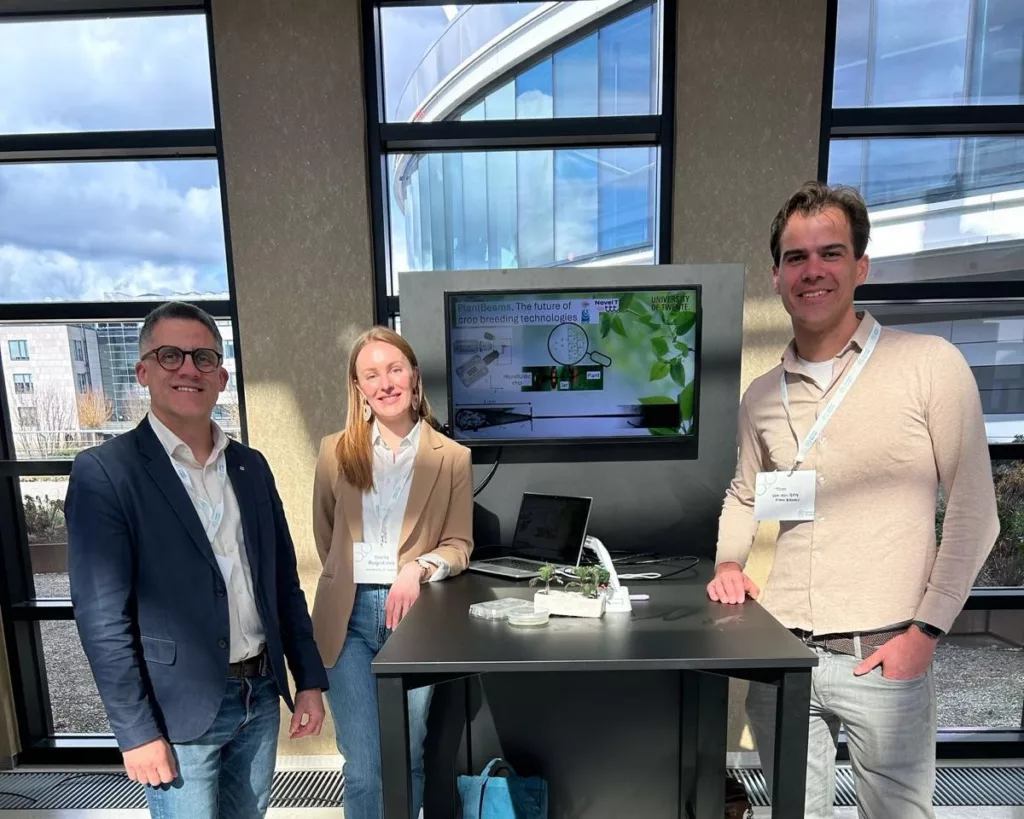
Plant Beams: breaking through the plant barrier

The question that started Plant Beams For over ten years, David Fernández Rivas has worked on a technology that uses

Plant Beams: breaking through the plant barrier
Project story

SideroFORCE: Tricking bacteria to heal infection

We interviewed Wim Velema, projectleader of Biotech Booster project SideroFORCE, which joined our program in 2025. At sixteen, Wim liked

SideroFORCE: Tricking bacteria to heal infection
IBB

Behind the Bootcamp: Meet the IBB26 Coaches

Building an industrial biotech venture takes more than a great scientific idea. It requires the ability to challenge assumptions, make

Behind the Bootcamp: Meet the IBB26 Coaches
Project story

From Luggage Tags to Better Food

From fragmented DNA to better food on our plates. We interviewed Biotech Booster project Haplotagging to learn more about their

From Luggage Tags to Better Food
Impact developer portrait

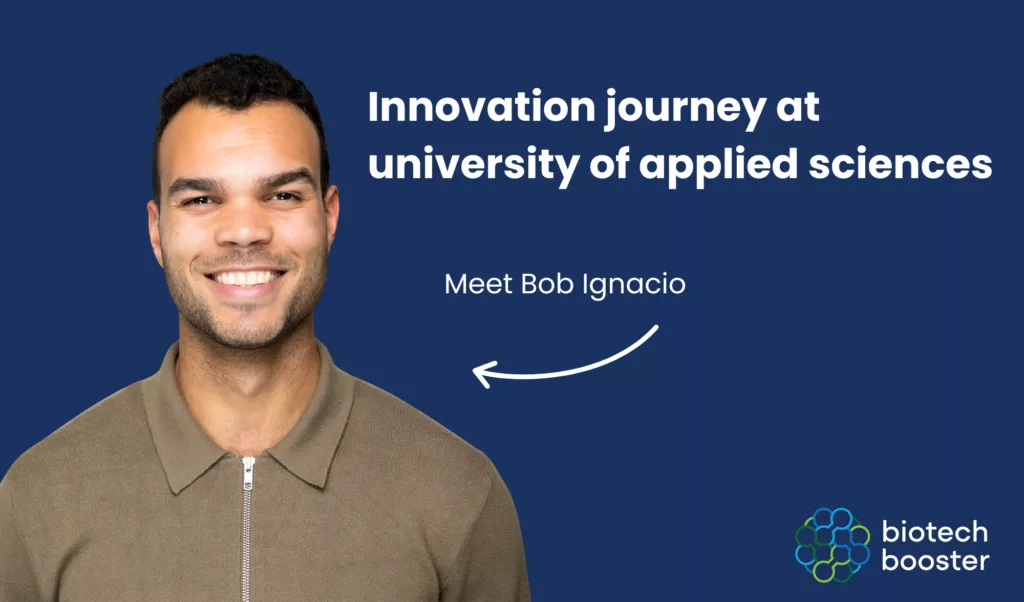
The Innovation Journey at the Universities of Applied Sciences

Impact Developers help researchers turn their ideas into innovations that impact society. They connect researchers with companies and other partners

The Innovation Journey at the Universities of Applied Sciences
Alumni Column

Alumni column: Patrick Dekker from iProtics

On both sides of the table. Some people know Biotech Booster from the outside. Others experience it from the inside,

Alumni column: Patrick Dekker from iProtics
Citaat

Biotech Booster helps us through funding and by providing us with a network to validate where we can make the best impact with our new analysis device.

Biotechnology netherlands

Carlos de Lannoy

Constellate

Citaat

What we look forward to most is leveraging the extraordinary network of Biotech Booster that we need to get foot in the market, get know-how, and understanding the competitive field which is necessary for setting up successful operations.

Biotechnology netherlands

Pim Schaasberg & Martin Pabst

ProteoT

Moleculen

Newsletter

Receive monthly updates about our community!

Subscribe to our newsletter